Temperature Controlled Logistics
European Temperature-controlled logistics, also known as cold chain logistics, refers to the specialized services ensuring the safe and efficient transportation and storage of temperature-sensitive goods. These services are crucial for maintaining the quality and integrity of products like food, pharmaceuticals, and chemicals that require specific temperature conditions throughout the supply chain.
Key aspects of temperature-controlled logistics:
Temperature-Controlled Vehicles:
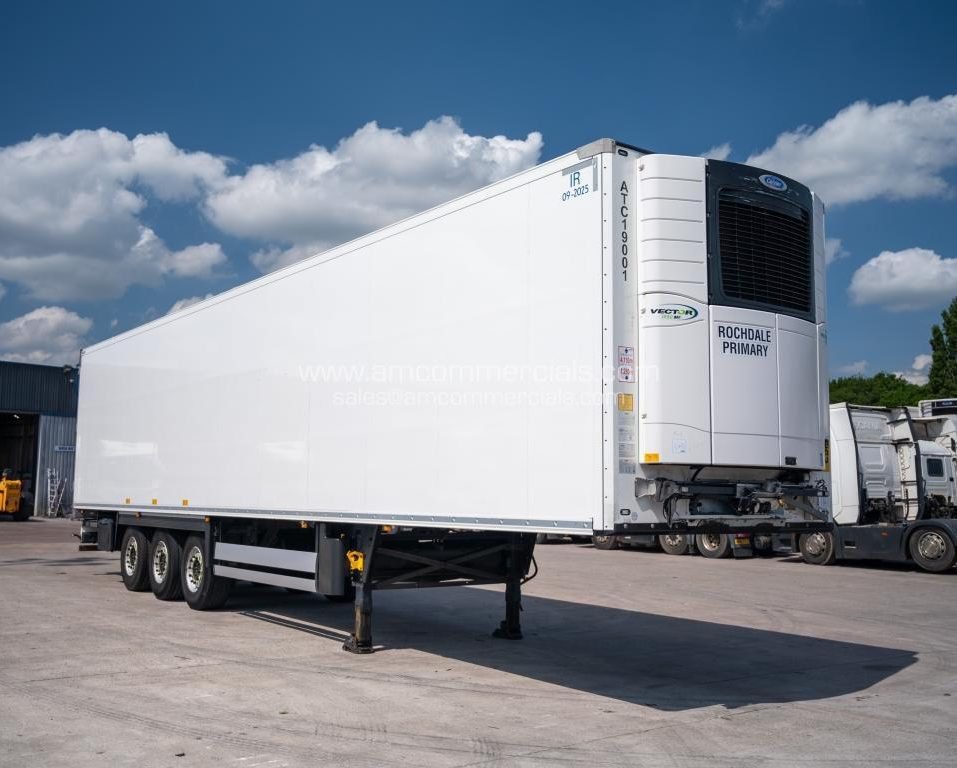
Using specialized vehicles equipped with refrigeration or heating systems to maintain the required temperature range during transit.
Examples of temperature-sensitive goods:
- Perishable Foods: Fruits, vegetables, meat, seafood, dairy products.
- Pharmaceuticals: Vaccines, medications, biological samples.
- Chemicals: Certain chemicals that are sensitive to temperature variations.
Benefits of temperature-controlled logistics:
- Preservation of Product Quality: Maintaining the integrity and efficacy of temperature-sensitive goods.
- Reduced Spoilage and Waste: Minimizing losses due to spoilage or degradation of products.
- Compliance with Regulations: Ensuring adherence to industry and regulatory standards for temperature control.
- Enhanced Customer Satisfaction: Delivering products in optimal condition, leading to greater customer satisfaction.